Secular Assembly – 27 December 2025

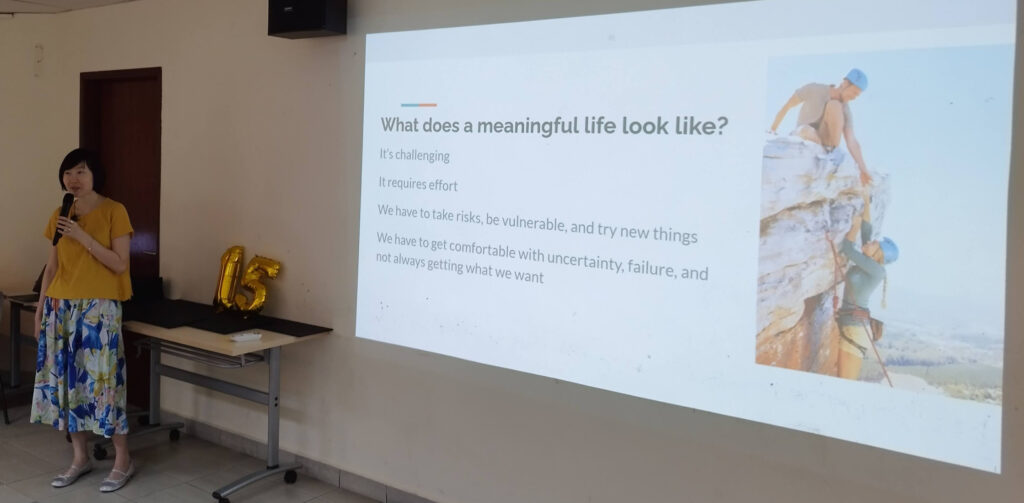
If life were a game, what kind of main character would you be? At our last Secular Assembly of 2025, this question was explored by our guest speaker amid a festive and reflective atmosphere.

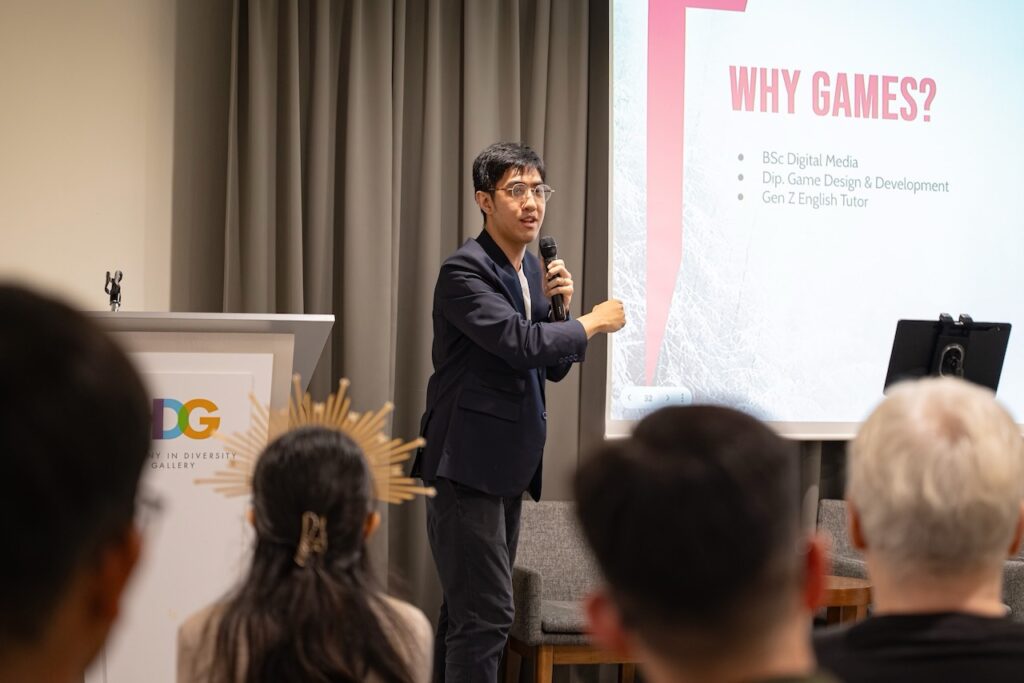
In a presentation titled “Embracing Your Protagonism”, guest speaker Melvin Lim, President of HSS, discussed how one might use the lenses of storytelling and games to navigate a complex world.
Starting with an overview of folklore around the world related to winter, Melvin helped situate Christmas traditions within a vibrant tapestry of cultures with origins ranging from Japan to Europe.

Like folklore that can convey important moral and practical knowledge, narrative games, Melvin posited, is one lens we could use to navigate our lives. Some questions raised by his presentation:

  • Do you prefer a ‘restricted’ environment (where there is a specific condition to ‘win’, such as in chess) or a ‘free’ one (where the success criterion is self-defined, such as in Minecraft)?
  • Are you more ‘autotelic’ (motivated by intrinsic factors such as curiosity) or ‘exotelic’ (motivated by external factors such as prestige)?
  • How are you nurturing your talent, and improving your luck (which can be thought of as a combination of opportunity and preparedness)?

Other highlights of the programme:

  • Before the main Assembly, a group of attendees enjoyed a guided tour of the Harmony in Diversity gallery, kindly made possible by our gallery partners. Read more about the gallery here.
  • Lit by (electronic) candlelight, participants were guided to share reflections on things that they were grateful for over the past year.
  • The jolliest fellow of the season dropped by! Santa Claus surprised attendees with presents and led us in a medley of classic Christmas songs.

Join us at the next Secular Assembly, where we’ll continue to build the Humanist community!

Non-religiosity and mental health

***

There has been a lot of debate over the relationship between religion and mental health.

One common misconception that the non-religious face, is that without religion, the non-religious individual will not have sufficient psychological and emotional support in life, leading to increased risk of mental health issues.

The 2021 IMH Study

In 2021, a local study done by a team from the Institute of Mental Health (IMH) and Saw Swee Hock School of Public Health, set out to build upon research on the mental health benefits of religion, especially in the context of multicultural Asian populations like Singapore’s. Their findings were reported in the Straits Times – “Religion linked to better mental health, says study done in Singapore”, published on Aug 03, 2021.

Published in the International Journal Of Environmental Research And Public Health in March, the study assessed the positive mental health (PMH) of 2,270 adults in Singapore and identified trends relating to their religious affiliations. The data was collected from August 2016 to April 2018 as part of the larger Singapore Mental Health Study 2016, which aimed to find out the state of mental health in Singapore’s adult population.

In this study, PMH was measured using six markers: General coping, emotional support, spirituality, interpersonal skills, personal growth and autonomy, and global affect, which is the experience of being calm, happy, peaceful, relaxed or enthusiastic. In an interview with The Straits Times, lead researcher Janhavi Vaingankar described PMH as “a person’s attitudes towards themselves, ability to handle life’s surprises and ability to reach their true potential and resist stress”.

Zeroing in on predominant religions in Singapore, the study evaluated respondents affiliated to Christianity, Islam, Buddhism, Taoism, Hinduism and Sikhism, which made up about 78% of those surveyed. Participants with these religions scored significantly higher in total PMH compared to those without a religion, the study found. The total PMH score did not vary much between people of different religions.

The picture is more nuanced

The Humanist Society argues that the picture is more nuanced, and there are other papers with a different conclusion. 

For example, there is a paper titled “Is religion beneficial for mental health? A 9-year longitudinal study” published in the International Journal of Clinical and Health Psychology (Volume 24, Issue 3, July–September 2024)

The abstract from the paper:

“Using a large sample of adults residing in Germany from the GESIS Panel study (N = 8146), the random intercept cross-lagged panel model was used. Data on six dimensions of religion (i.e., membership in a religious community; attendance at a place of worship; frequency of prayers; importance of religion in life; and participation in a religious organization) and three indicators of mental health (i.e., depression symptoms, happiness, and life satisfaction) were collected.

The findings revealed that there is almost no evidence of lagged effects of religion on mental health and limited evidence regarding the role of mental health in influencing the dimensions of religion. Moreover, at the between-person level, there was some evidence of significant covariance between the trait-like components, indicating stable, trait-like differences between persons on religion and mental health.

The beneficial effect of religion on mental health may have been exaggerated in previous research.”

***

There is also another study published in 2025, and it studies the relationship between religious service attendance (not just having a religion) and mental health.

Using modeling techniques that tracked relationships over time within individuals in the joint relationships between religious attendance and mental health outcome measures, the Italian researcher came to one surprising conclusion. In contrast to the prior literature suggesting mental health would benefit from religious attendance, the effects simply weren’t there.

The actual study can be found here.

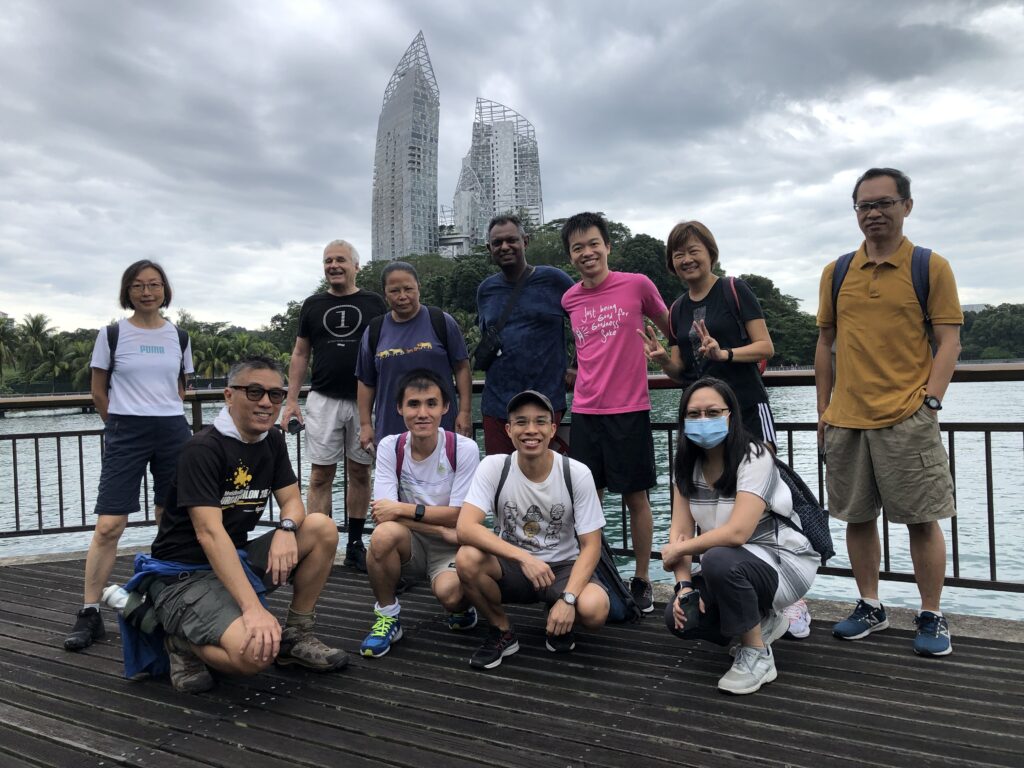
Photo above: The Humanist Society organises events every month. The picture above is a hike along the southern coast of Singapore.

We need to exercise caution

Mental health issues can be very complex and have multiple root causes.

Some mental health issues are genetic and clinical, and simply cannot be attributed to having a religion or not. Some mental health issues are caused by circumstances in life, which also cannot be attributed neatly to religiosity or non-religiousity. 

There is no doubt that supporting communities can be helpful in providing support to people who have poor mental health. And it is widely acknowledged that religious communities are often the most organised and consistently available in many countries.

Nonetheless, attributing better mental health to simply having a religion causes the following risks:

  1. If widely believed, this attribution contributes to stigma for non-religious individuals, especially faith-leavers pressured by their family and community to return to religious communities they were born into.
  • If a person’s mental health is affected by religious trauma, then more religious exposure might actually worsen the situation, rather than help. (Note: Religious trauma can be defined as a psychological condition that occurs when religious teachings and practices become sources of emotional distress.)
  • A non-religious person facing mental health issues might be pressured — even by those who are well-meaning — to join a religious community because they feel that non-religiosity is the root cause of their mental health issues.
  • A person facing mental health issues could see religion as a solution, bypassing professional diagnosis and help. While religious communities can provide a supporting community, they are ultimately not the best place to get evidence-based diagnosis and treatment.

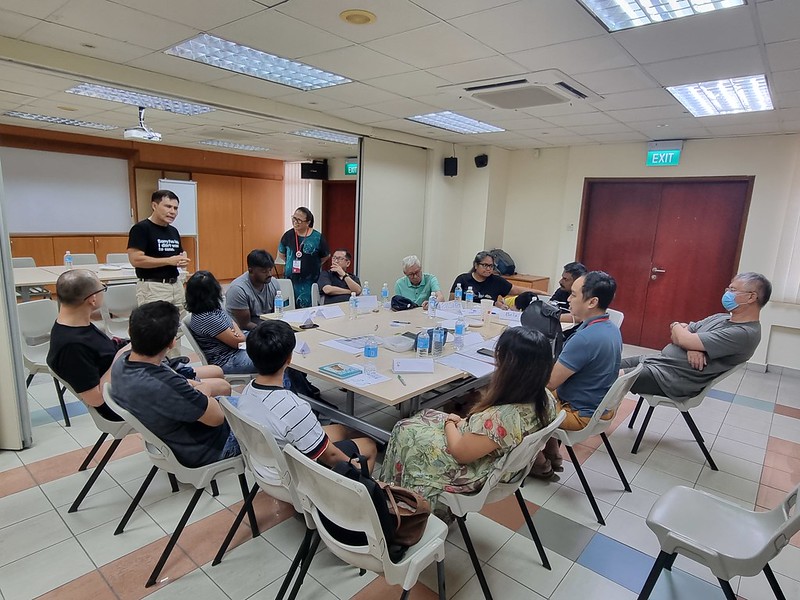
Photo above: The Humanist Society organises the Humanist Cafe which provides peer support to people at different stages of life.

Our experience on the ground

Over the years, the Humanist Society (Singapore) has organised events for many non-religious participants, and met people from all walks of life. Like any community, we have also engaged individuals with underlying mental health conditions.

We do have small numbers of participants who come from conservative religious family backgrounds and had a challenging experience growing up. They can come with religious trauma and take many years to recover.

The Humanist Society strives to build communities to support these people, although it can be challenging given that we are an all-volunteer organisation. But from our experience, attributing better mental health to simply having a religion is most harmful to those with religious trauma.

Future studies on the relationship between religion and mental health should take into account this group, to provide a fuller picture.

Secular Assembly and 15th Anniversary

On October 25, HSS celebrated 15 years since the Society’s founding and held a Secular Assembly that encouraged attendees to infuse life with meaning. 


Secular Assembly: Finding Meaning

The afternoon began with a lively Secular Assembly that offered approaches for finding meaning in life when one feels unable to progress. 

Leading an interactive workshop and sharing session on the topic of “Finding Meaning When You Feel Stuck in Life”, Registered Counsellor Deborah Koh guided attendees to discover and reconnect with their personal values as the fundamental building blocks of a fulfilling life. 

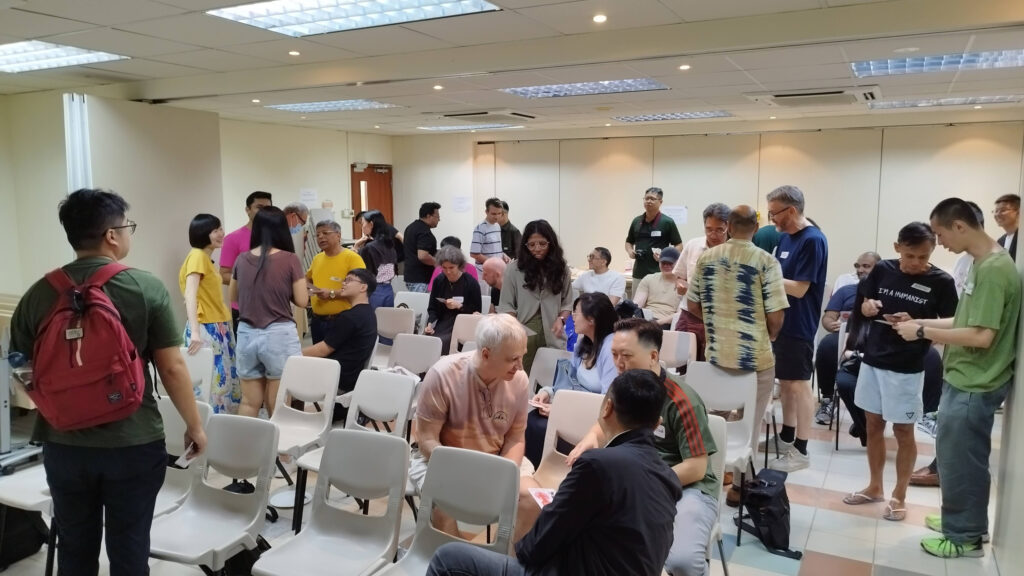
Participants taking part in “Values Exchange” activity

The session showed us that while the instinctive reaction to feeling stuck may be to withdraw from challenges, this reaction can be addressed with various strategies. These include:

  • accepting that uncertainty and failure are part of a meaningful life;
  • detaching yourself from thoughts that are unhelpful;
  • and self-reflection to achieve clarity on your core values.

15th Anniversary Gathering: A Look Back and Forward

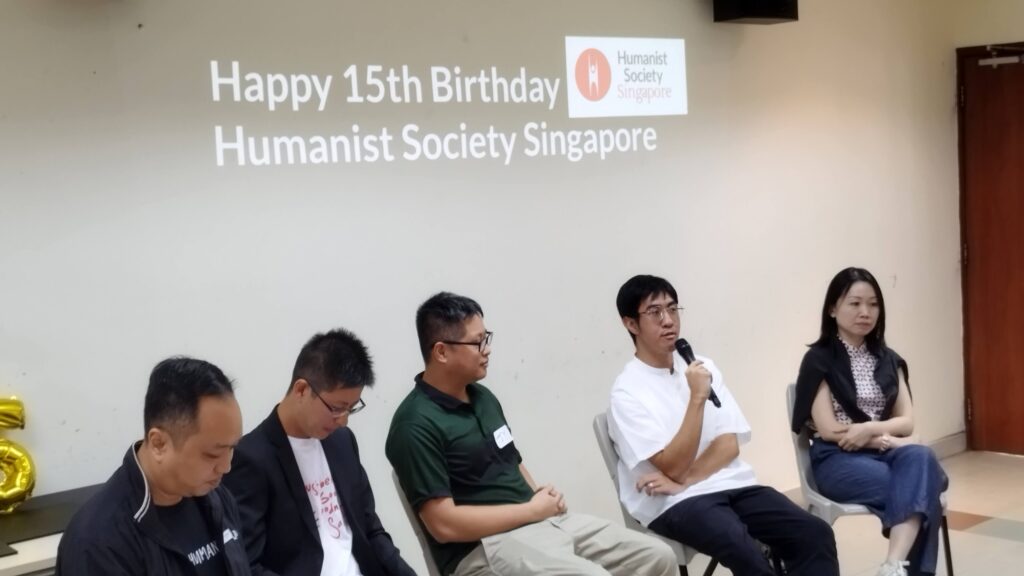
With attendees energised by the workshop, the mood swiftly shifted to one of celebration for the Society’s 15th Anniversary Gathering!

A major highlight was an intimate fireside chat featuring past and present HSS leadership. Moderated by current HSS Vice-President Xiang Hong, the speakers comprised the Society’s founding and early Executive Committee (Exco) members (Eugene, Jianyue and Huifen) alongside current HSS President (Melvin). This intergenerational conversation brought to light memorable moments from the past and shared aspirations for the Society’s next chapter.

Speakers candidly shared insights on topics that included:

  • HSS’ notable achievements. As examples of major achievements by the Society, speakers cited the international Humanist conferences hosted by HSS and its various collaborations with government statutory boards over the years. These events have helped HSS make its mark and reflect that it has a level of trust from local authorities.
  • Vision for the Society’s public image. President Melvin spoke on his hope for the Society to be better connected to Humanist communities in the region, and to be seen as a bastion of critical thinking. 
  • How to keep HSS going. Speakers suggested:
    • An Exco that is willing to learn and experiment and that keeps the trust of attendees and volunteers
    • Continually holding events to bring in new members
    • Looking to other long-running groups for applicable lessons

The Exco also honoured a number of HSS members for their contributions to the Society with awards for Best Member, Best Volunteer, Community Builder and Best Newcomer. Our sincere congratulations to all the worthy recipients! Your gifts of time and effort—along with those of every volunteer—are the driving force of our Humanist community, and we are profoundly grateful for your service.

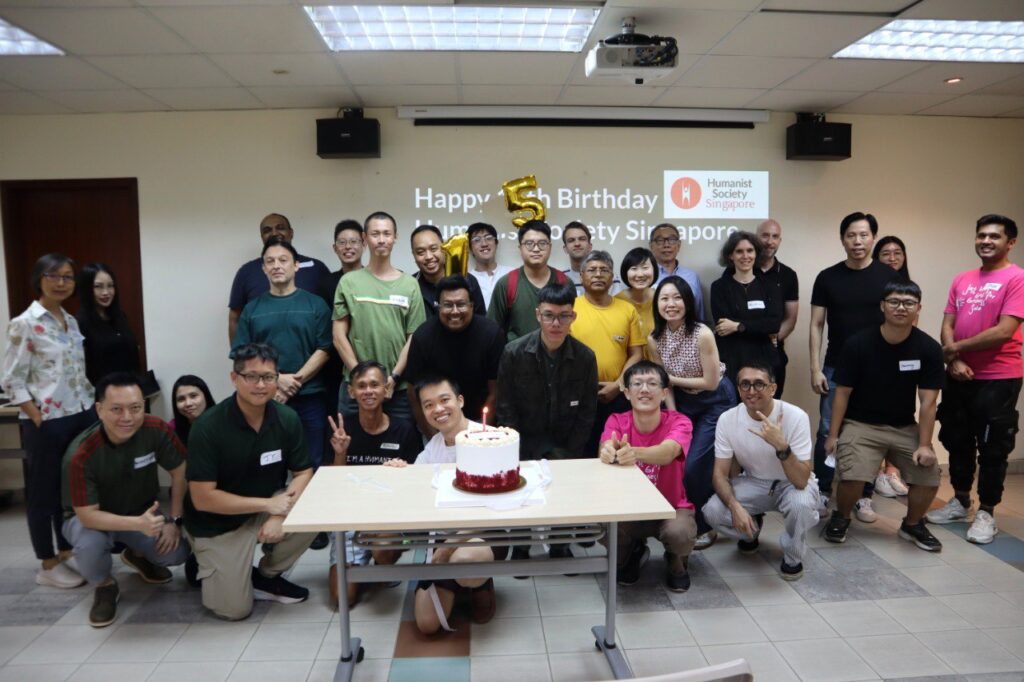
The gathering wrapped up with a spread of finger food, including homemade dishes contributed by members, and a special birthday cake. The cake celebrated both recent birthdays (in line with our Secular Assembly tradition) and the landmark achievement of 15 years of serving as a voice for the non-religious in Singapore.

Thank you to everyone who joined us for this special day. Your presence, participation, and stories are what make our Humanist community vibrant. Here’s to many more years of promoting reason, compassion, and meaningful living!

Secular Assembly – 27 September 2025

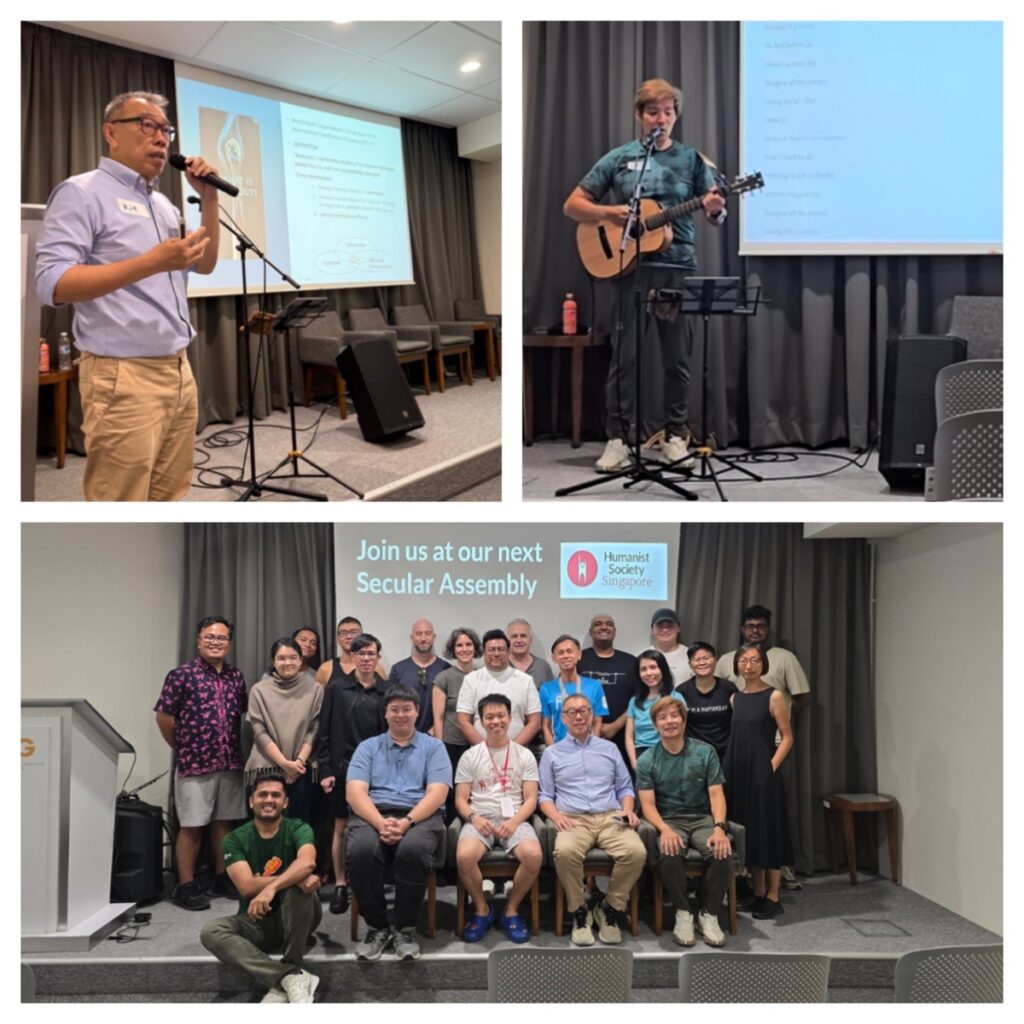
Burnout from work stress is a common problem in our fast-paced city. How can individuals prevent burnout and what role can non-religious organisations play? At our eighth Secular Assembly of the year, held on 27 September, these topics were explored by our guest speaker Kit Koh, a career coach and mental health counsellor.

First, a definition of burnout. For this, Kit cited the World Health Organisation (WHO), which defines burnout as a condition “resulting from chronic workplace stress that has not been successfully managed”.  It comprises three aspects: “feelings of energy depletion or exhaustion; increased mental distance from one’s job, or feelings of negativism or cynicism related to one’s job; and reduced professional efficacy”. When burnout sets in, Kit noted that it could lead to more problems such as depression, weakened immunity and strained relationships.

Regarding strategies an individual could use to prevent burnout, Kit shared that these include minimising sources of stress (e.g., by setting physical and digital boundaries), addressing deeper dysfunctional cognitive patterns, and engaging in activities that produce “happy hormones”. These hormones – dopamine, endorphins, oxytocin and serotonin – are known to be powerful contributors to positive emotions.

Oxytocin facilitates feelings of trust and connection, and is often produced during activities that involve interpersonal bonding. Thus, to promote oxytocin and the positive emotions associated with it, Kit suggested that a secular society like HSS could hold group activities that are “psychologically safe, emotionally positive [and] mentally restful” – such as group singalongs and events for appreciating people (e.g., celebrating good deeds). Not so coincidentally, these suggested activities are typically part of the Secular Assembly.

On the flip side, Kit also suggested what NOT to do: namely, if social bonding is the goal, we should avoid turning every space into one for critical discussion and debate – a frequent temptation for opinionated humanists!

Other highlights of the programme:

  • Before the main Assembly, a group of attendees went on a guided tour of the Harmony in Diversity Gallery (HDG), kindly made possible by our HDG partners. Read more about the Gallery here.
  • For the first time at the Secular Assembly, live singing AND music! James, an HSS volunteer, provided skilful vocals and guitar to lead us in singalongs of Imagine and other classic songs.
  • A gratitude exercise led by Dan, Secular Assembly programme director, encouraged thankfulness and reflections on our interconnectedness.

Join us at the next HSS event, where we’ll continue to build the humanist community!
Humanist society Singapore’s official statement on the pork meat parcel sent to Al-Istiqamah and a few other mosques Singapore

1. The Humanist Society encourages a rational approach to human problems via informed and reasoned discussion of issues, backed by evidence and guided by compassion.

2. Reasoned discussion of issues is not possible when tensions are high between racial and religious communities due to deliberate inflammatory actions aimed at sowing discord in the country.

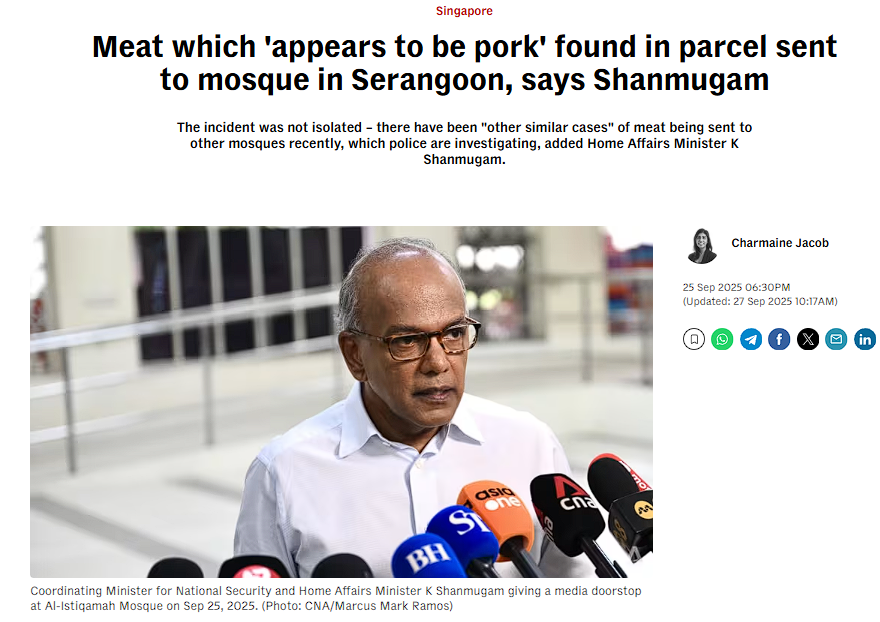
3. Recent actions by a Singaporean man to send an envelope containing a piece of pork with an offensive note to a mosque is deplorable. There is no value in such an action.

4. We support efforts to ensure a safe, stable and secular Singapore where freedom of religion is guaranteed and no person should be harassed just because of his/her beliefs.

Written by JY

Never Forget — Even in Singapore

Yesterday marked 24 years since the September 11, 2001 attacks in the United States — an event that cost nearly 3,000 lives, with ramifications that continue to be felt today.

As we honor the victims, we are reminded that violent extremism is not a distant threat but a continuing challenge, including here in Singapore.

Just this week, news broke of a Singaporean teenager being issued a Restriction Order (RO) for self-radicalization. Disturbingly, he drew from a “salad bar” of ideologies, mixing ISIS propaganda with far-left and far-right extremism. This shows how easily young people can be drawn into dangerous narratives online, where extremist content crosses borders and adapts to new contexts.

Self-radicalization remains one of Singapore’s security threats. Unlike the large terror networks, self-radicalized extremists often act alone, shaped by flawed assumptions and selective readings of history.

To stay committed to their cause, suppression of doubt and shutting down critical thought is no longer suggestion, but a mandate, making them vulnerable to manipulation and eventually, violence.

The risk is amplified in today’s polarized world. Algorithm-driven echo chambers on social media reinforce grievances and magnify anger, creating fertile ground for radicalization. If unchecked, these echo chambers can harden divisions and normalize extremist worldviews.

Thus proving why secular humanism and critical thinking are needed now more than ever. Humanism offers a philosophy rooted in both reason and compassion: the courage to question, and the empathy to care. While it may not dominate headlines like extremism, humanism quietly builds resilience by nurturing critical inquiry, dialogue, and expanding our shared humanity.

On this solemn anniversary, we call on Singaporeans to strengthen these values. Extremism feeds on hate and ignorance; our best defense is a culture of compassion and reason.

— Written by JY, Edited by Mel

Secular Assembly – 30 August 2025

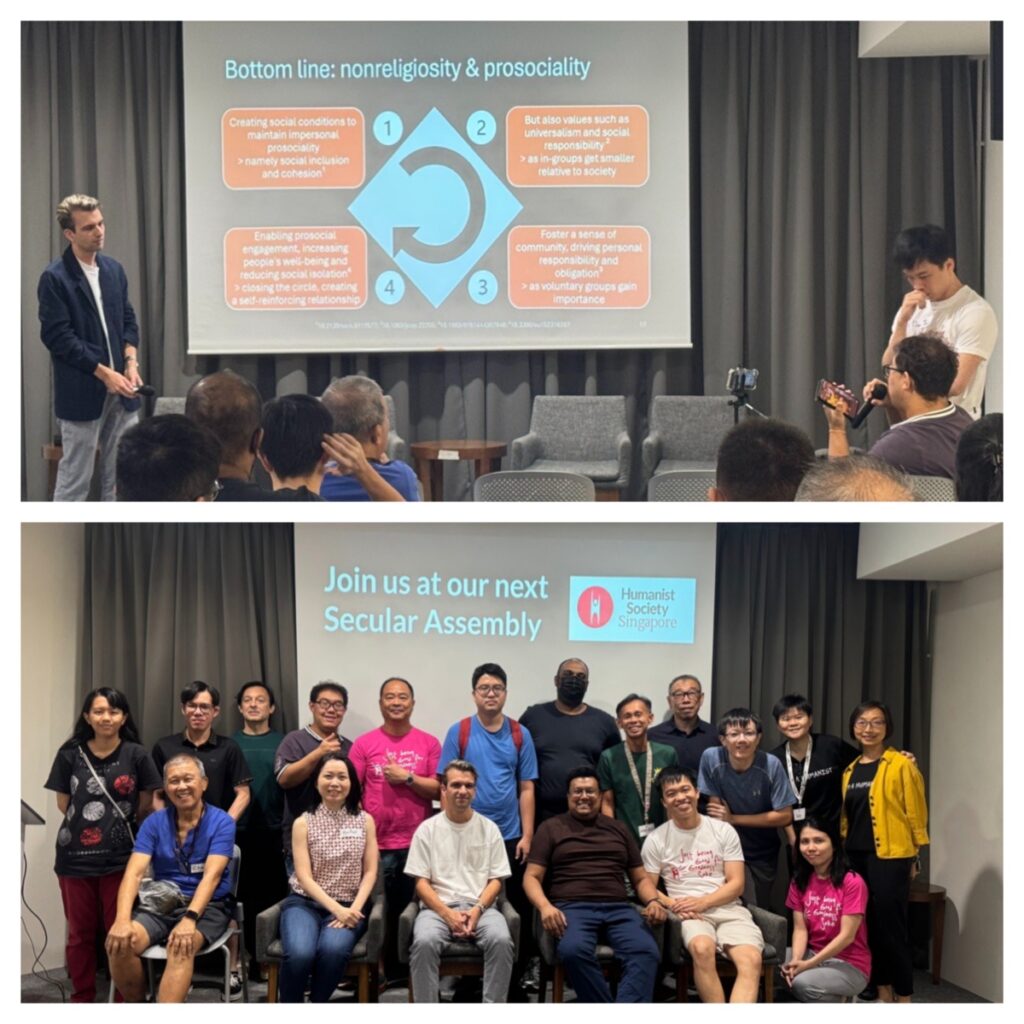
How can non-religious communities promote helping behaviour? Our seventh Secular Assembly of the year, held on 30 August, explored this question with compelling research insights.

‘The Rise of Nonreligion and its Perpetuating Beliefs’ was the subject of a guest presentation by Robin Weber, a member of our humanist community and a researcher. Robin began with various studies on global trends in religiosity and non-religiosity, highlighting the increasing prevalence of non-religious demographics around the world. He also shared surprising research about the religiously unaffiliated in Singapore, such as the Pew Research finding that 62% of non-religious adults in Singapore ‘believe in God or unseen beings’.

Indeed, even within the non-religious, there is a huge range of beliefs. As societies become increasingly diverse and secular, it’s important to ask what factors independent of religion can contribute to prosociality, or behaviour that benefits others.

Robin shared that at an individual level, these factors include self-compassion and empathy for others, as well as social support (the perception of being understood, supported and respected.) In fact, social networks are thought to be a generally stronger driver of religious groups’ prosociality compared with a belief in a higher power.

As such, for a secularising society to maintain impersonal prosociality (prosociality towards others outside of one’s in-group), a sense of social inclusion and cohesion are essential. With this foundation, if other-oriented values such as a sense of social responsibility are cultivated, a stronger community is more likely to arise and in turn bring about prosocial behaviour. 

In addition to Robin’s enriching talk, the Assembly programme included an update on the Society’s donation drive for Singapore Red Cross (we exceeded our $1,000 fundraising target!), and soul-nourishing traditions: a lively singalong and a guided mindfulness exercise.

Join us at the next HSS event, where we’ll continue to build the humanist community!
Secular Assembly – 2 August 2025

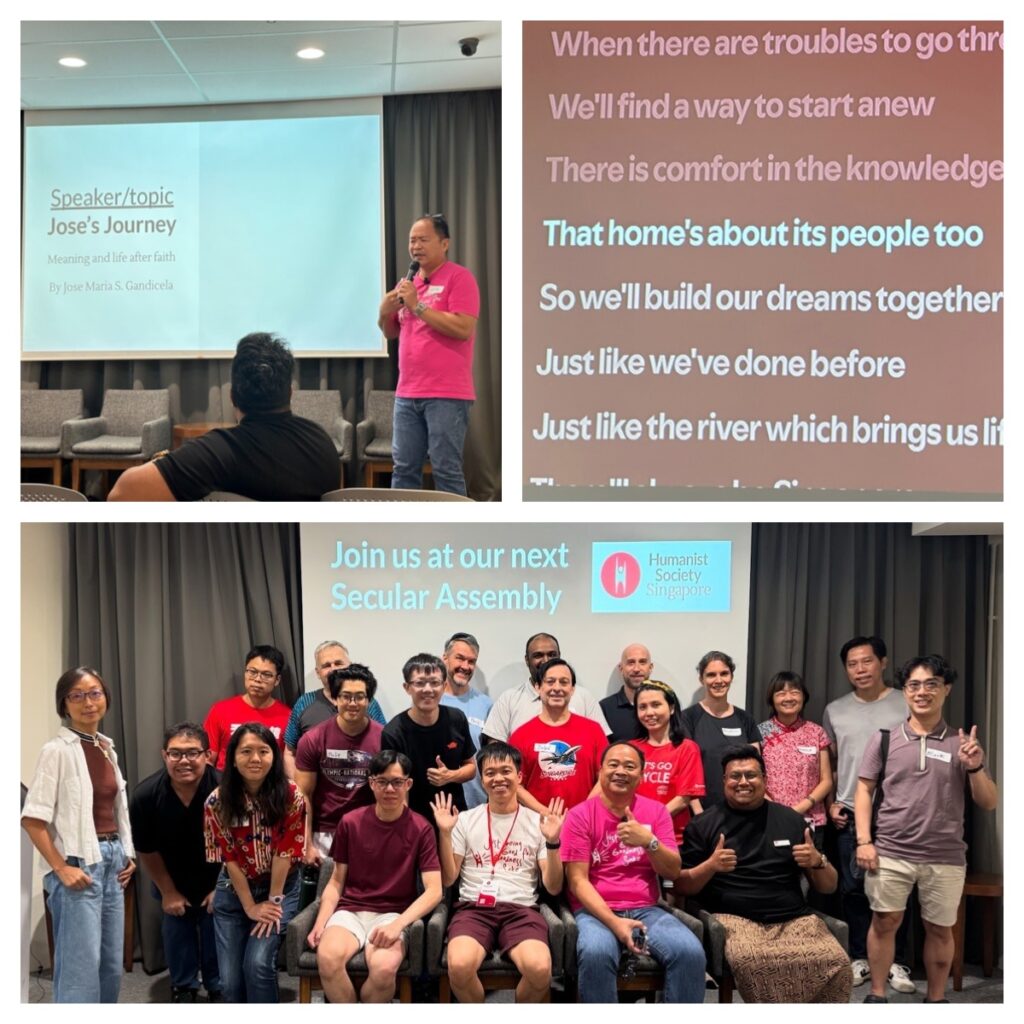
Our sixth Secular Assembly of the year featured a heartfelt talk by HSS member Jose, who recounted his journey from priest to atheist. 

Jose discussed his past – first as a Roman Catholic, and then as a missionary and a priest within a Christian sect. He recounted how his relationship to religion began to shift due to two main events.

The first was moving to multi-religious Singapore, where leadership was detached from religion, he met non-religious people for the first time and realised that “non-Christians are also good people”. The second event was his church’s criticisms of the popular novel The Da Vinci Code, which prompted him to learn more about the history of Catholicism. This led to questions he could not satisfactorily resolve, and a period of emotional turmoil.

Today, having navigated that tumultuous period, Jose is an atheist who accepts that beliefs in the supernatural will always be a part of human culture. He raises his children to compare religious tenets across faiths, ask questions and think independently.

By sharing his personal account, Jose shed light on the complexities of leaving religion, and showed one way an atheist could peacefully participate in a multi-faith society.

In addition to hearing Jose’s story, participant took part in Assembly traditions, featuring a singalong to ‘Home’ in honour of National Day.

Join us at the next HSS event where we will continue to build the humanist community!

Post-Event Write-Up: Humanist Society at Pink Dot 17

On 28 June 2025, under the banner of Pink Dot 17’s theme “Different Stories, Same Love,” Hong Lim Park turned into a sea of pink as thousands gathered to celebrate the freedom to love in all its forms.

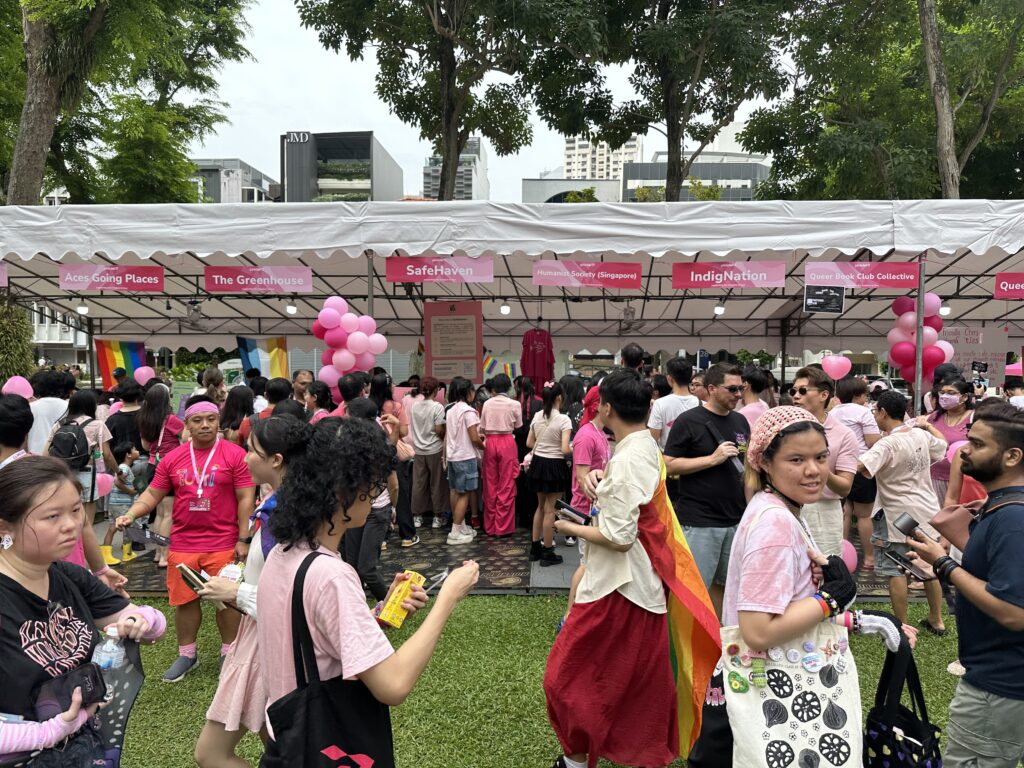
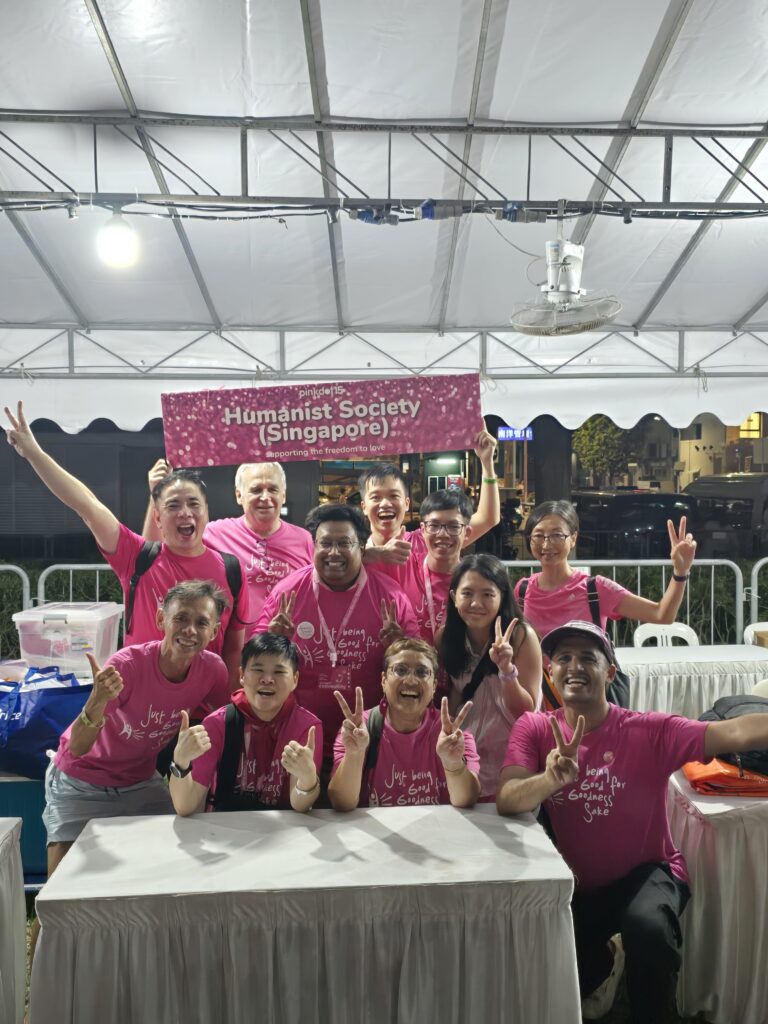
From 4:00 pm to 8:00 pm, Humanist Society (Singapore) operated our community tent where visitors learnt about the society, the secular values we stand for, and what humanism is via our flyers, and picked up goodies (e.g. recycled cloth coasters and “Just being good for goodness’ sake” buttons and T-shirts).

Visitors queued up all afternoon to learn about our community

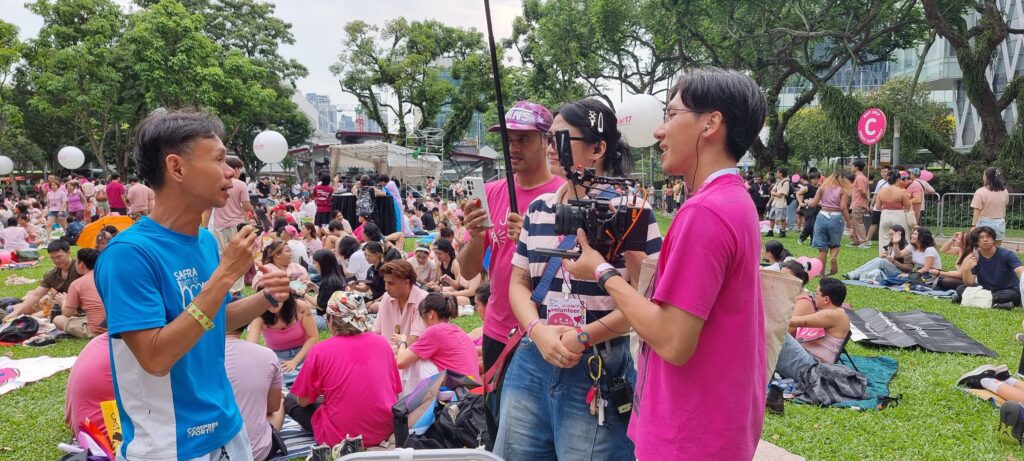
Our volunteer Sree kicked off the afternoon with a Facebook Live tour, joined by co-founder Dan Thio, who pointed out highlights across the bustling row of community tents. You can look back at the video here: https://www.facebook.com/share/v/1E2NbJGJzj/

Long-time member Adrian (in blue) speaking on camera with the Pink Dot media team
As dusk fell and after the pink dot display, our volunteers beamed under the “Humanist Society (Singapore)” banner.

Our submission to the Pink Dot Time Capsule

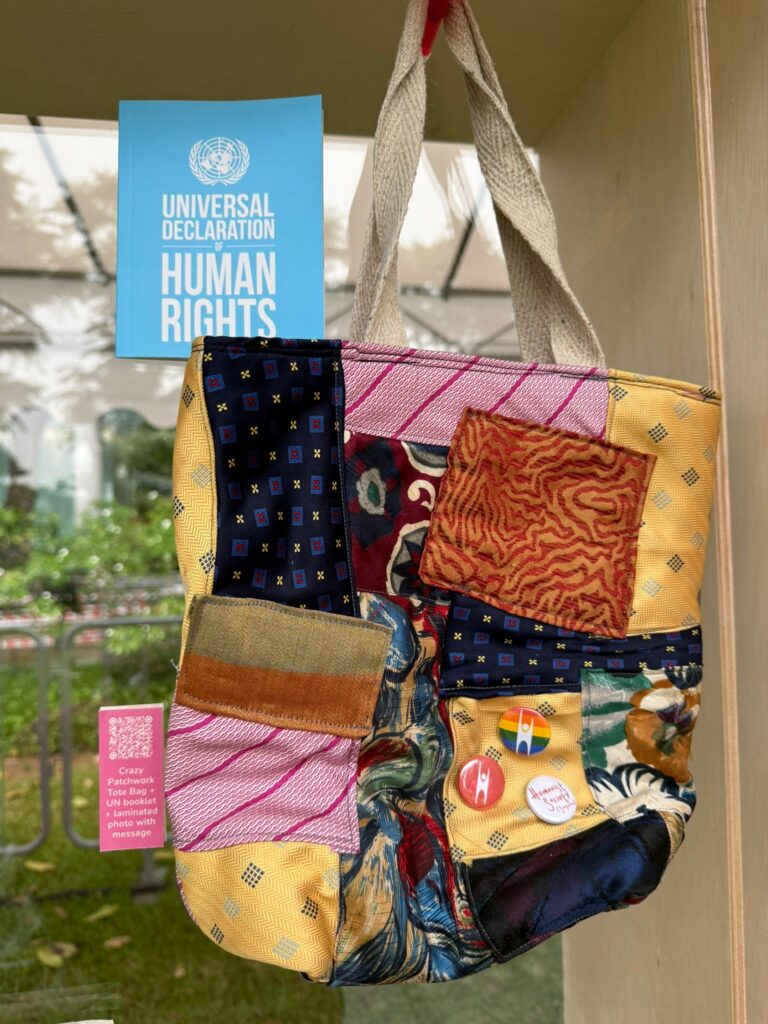
At the Time Capsule Gallery, curated mementos were showcased in glass cases before being sealed away until 2050. Our featured contributions was a “Crazy Patchwork Tote Bag”—stitched from reclaimed fabrics to symbolize the vibrant diversity of our communities—hanging alongside a pocket-sized copy of the Universal Declaration of Human Rights, underscoring our shared duty to uphold fundamental freedoms. https://timecapsule.pinkdot.sg/item/crazy-patchwork-tote-bag-un-booklet-laminated-photo-with-message/

Our tote bag and UN booklet on display at the Time Capsule Gallery.

By entrusting these items to the capsule, Humanist Society has preserved a tangible reminder of our commitment to reason, compassion, and equal rights.


Volunteer Appreciation Dinner

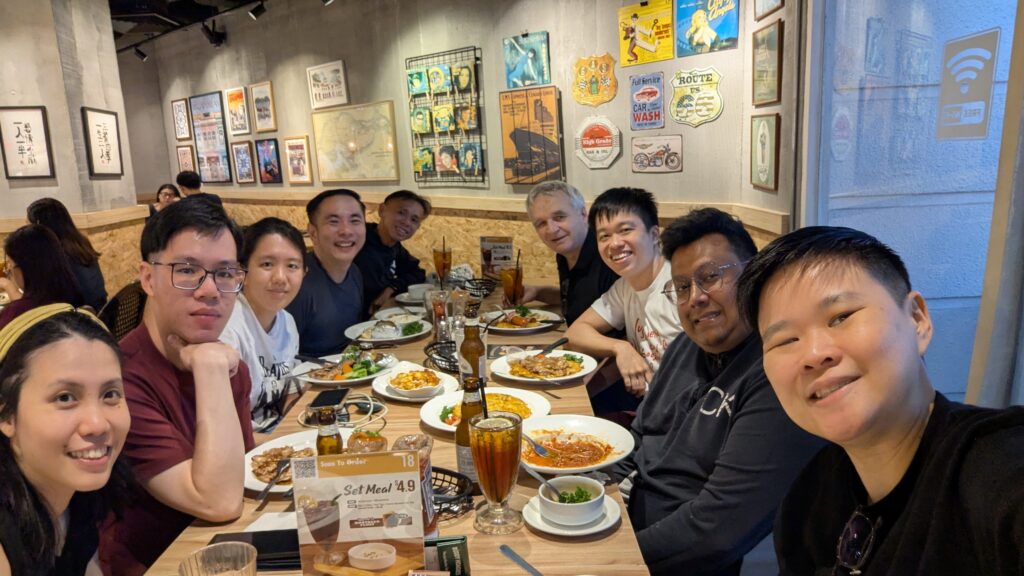
Some days after Pink Dot, the dedicated team of volunteers reconvened over dinner to celebrate our shared success. We swapped memorable moments, toasted each other’s hard work, and deepened the bonds that make our volunteer community so special.

Volunteers and committee members enjoying a well-deserved meal together.

A heartfelt thank you to everyone who visited our tent, shared their stories, contributed to the capsule, and stood with us in solidarity. Your energy and passion fuel Humanist Society’s mission—here’s to many more years of building a kinder, more equal Singapore!

Dan Thio on behalf of the volunteers
Humanist Society (Singapore)

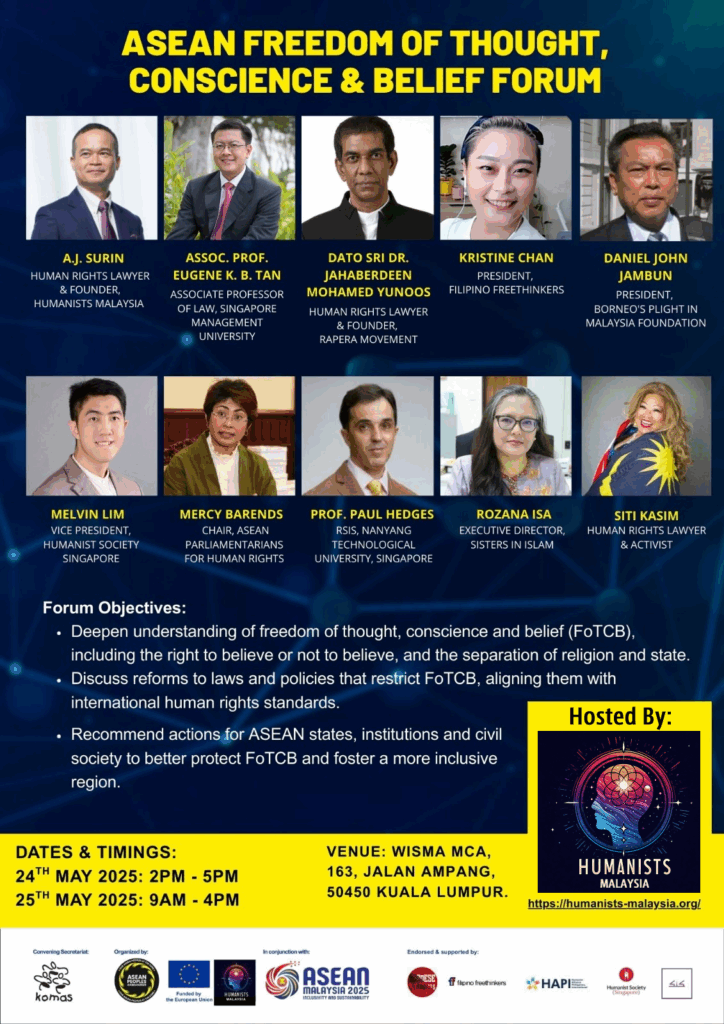
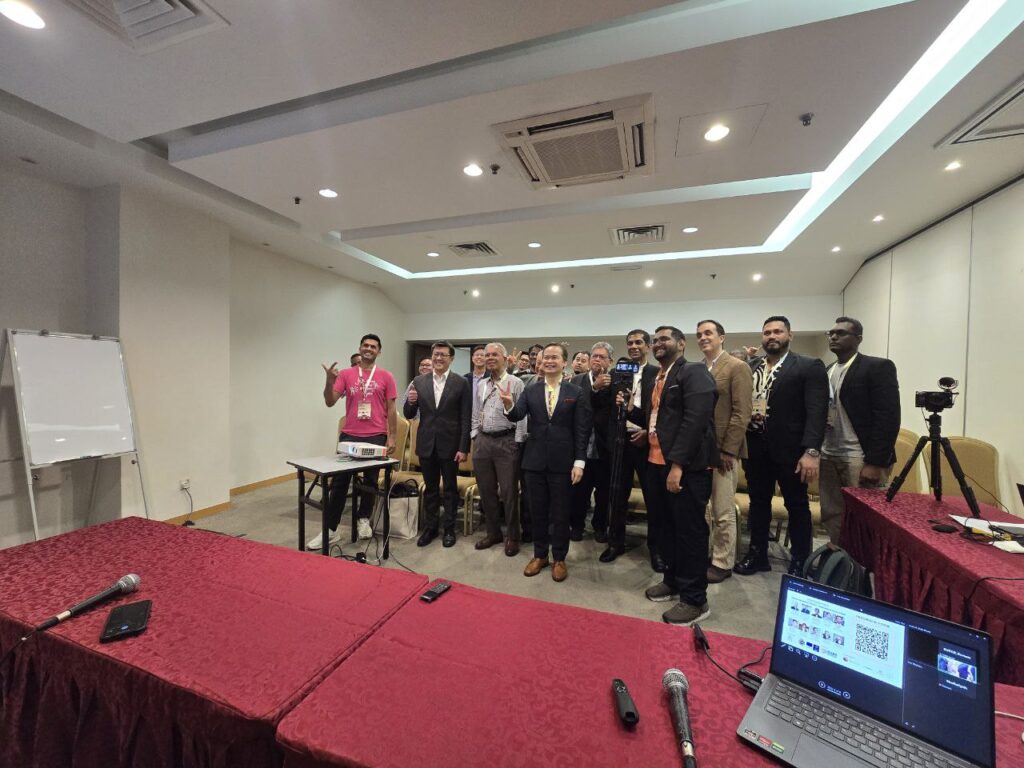
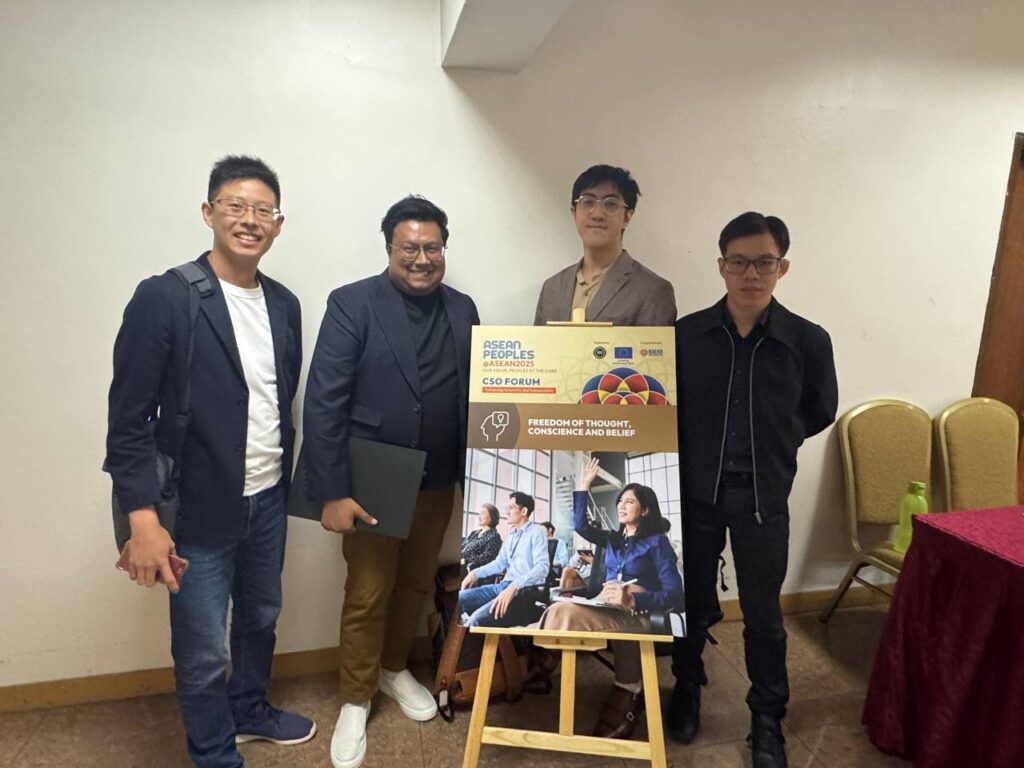
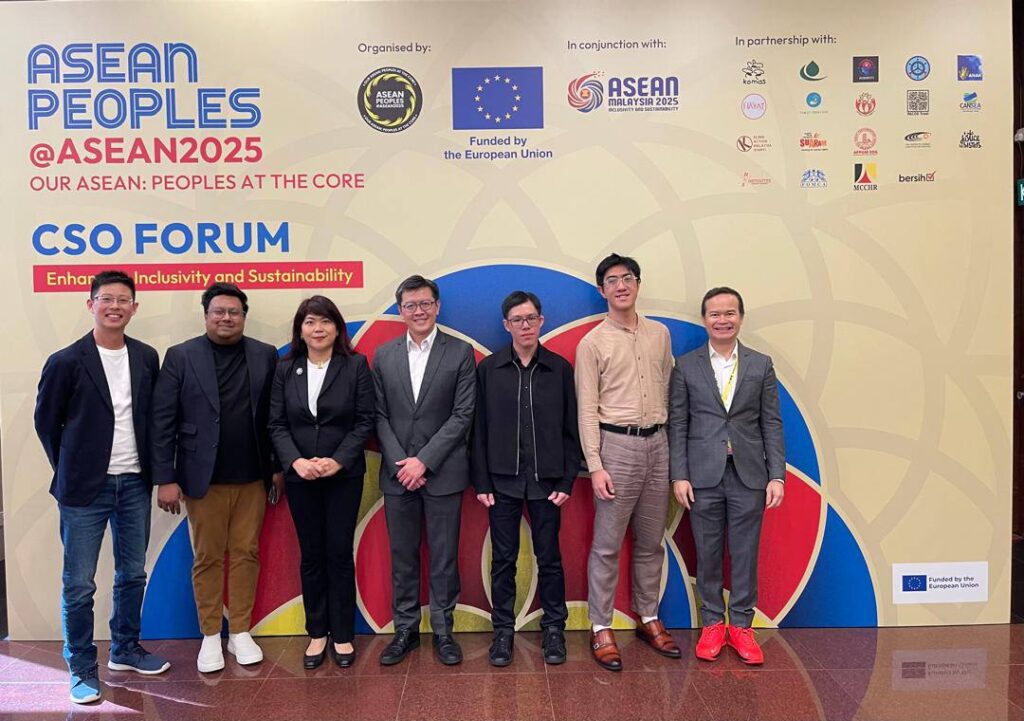
ASEAN Freedom of Thought, Conscience & Belief Forum 2025 — Key Insights & Takeaways

Lawyers, Humanists and the Religious Walk Into a Bar…

Day One — A Quranic Perspective, Challenging Common Misconceptions that Islam Restricts Personal Freedom in Matters of Faith

Day one kicked off with Panelist Dr Jahaberdeen M. Yunoos, with his lecture purporting that Islam as a faith could be practiced and applied in a manner that preserves personal liberties, and allows for questioning and skepticism. Directly confronting the notion that Islam as a faith or ideology on its own advocates conformity and control, Dr Jahaberdeen proposes textual critique of the religious text that suggests an alternate interpretation that champions individual accountability, and he further asserts that civil dialogue is not only encouraged, but commanded, with disagreements handled ethically. Ending his segment with a Quranic Call to Freedom, he calls upon his Muslim fellows to reclaim the liberating spirit of the Quran.

Within the Question & Answer (Q&A) Segment, Dr Jahaberdeen addresses his views on the Quran only movement in swing within Malaysia. He expresses that he is happy that this notion is prompting Muslims to take a closer look at the fundamental text, explaining that quite a bit of Islamic practices are derived from Hadiths and scholarly interpretations.

For several of the questions addressing the nature of religious conflicts and fatwas (religious laws) being enforced legally in Malaysia, he connects the dots to the history of politics in these ideologies, and he implores his peers to free themselves from politicians and clergy, concluding with the quip, “God didn’t give us brain for decoration”.

Finally, he admits that reform takes a long time, but he is hopeful, as more and more of his peers are questioning dogma, and adopting independently derived views and stances in accordance to their own sense of reason and morality.

Credits: Mr Sree, for taking the full video of Mr Jahaberdeen’s speech.

Day One — Interfaith Dialogue: Combating Religious Extremism and Discrimination Through Dialogue

Dr Hedges presented and shared that drawing from the Singapore experience and perspective, policies involving “contact” were critical. The concept is simple – when people of different beliefs come together, there is opportunity for interaction, exchange of views and better understanding of each others’ perspectives and beliefs. In fact, interacting with people of diverse beliefs leads to humility, where one realizes and understands that other different positions and views exists (in contrast to interacting with just people of the same belief which results in an echo chamber).  Dr Hedges also shared that in his view, Singapore’s Ethnic Integration Policy (EIP) was the most successful policy enacted that allowed Singapore to avoid the kind of religious extremism, discrimination and radicalization we see in many parts of the world. The EIP intervened at a very personal level, but played a crucial role in preventing the creation of ghettos and the natural tendency for humans to mingle only with those of their same stripe. 

Dr Hedges further shared that there were also open and closed doors interfaith dialogues, where people from different faiths/religion come together to meet and interact, such as IRO or IRCC. 

Responding to an audience question during his Q&A segment on whether there were any examples of humanists in other parts of the world that worked closely with the government, Dr Hedges replied that he was not aware of any such examples. A member of the audience also shared that in Malaysia, while there exists an IRO equivalent, the board does not have Muslims on board, which begs the question as to whether Muslims should even be involved or be part of the panel.  The answer from Dr Hedges was a resounding yes. He felt that the board should be as inclusive as possible, and that it would be remiss to not have a representative from the dominant religion be part of the board or conversations to get the lay of the land. 

Credits: Mr Eugene Tay for attending this talk and contributing this write up on Day One.

Day One — The International Human Rights Framework on Freedom of Religion, Belief and Education

Attending the Conference via Zoom from Europe, Mr Leon Langdon introduced himself as the advocacy officer for Humanists International (HI). He supports HI’s work at the United Nations Human Rights Council, as well as HI’s broader advocacy efforts. He shared that generally, work at HI was varied and that no two days were the same. For HI’s broader advocacy work, he revealed that HI takes a deliberate stance by talking about various issues with low coverage – two specific examples being Female Genital Mutilation (FGM) and Witchcraft. As advocacy officer, he also highlights and writes on these issues to raise awareness. HI’s work is also heavily centered around ensuring that people have freedom of religion; and freedom of education. While these may seem to be basic and fundamental rights, Leon shared that this was still not possible in present day in many countries around the world.

Credits: Mr Eugene Tay for attending this talk and contributing this write up on Day One.

Day One — Post Event

The Humanists Society (Singapore)’s Honorary Auditor, Mr Sreekanth, was invited for an interview with Humanists Malaysia. Do look forward to when it is released!

The wheels on the bus go round and round for five hours…

Day Two — “Is our democracy still a guardian of inclusive harmony, or is it becoming increasingly susceptible to exclusivist interpretations of identity and faith?”

An impassioned speech with fire and steel sparked Day Two off, with Speaker Rozana Iza illuminating the plight and situation of the legal landscape in Malaysia, wherein the Mufti Bill, tabled in 2023, was passed without public consultation — posing a threat to democracy by provisioning religious authorities with dubious reaches of administration by way of allowing them to grant “Aqidah consultants” the right to question and counsel marked individuals on their beliefs. This state-enforced infringement of personal freedoms for the sake of Sharia compliance was the subject of gravitas, and led to the next point.

Addressing Womens’ Rights in Malaysia in the present day, Ms Rozana sheds light on how the current practices of Islamic legislative enforcement of fatwas and extreme conservatism have lead to the ambitions and dreams of aspiring young women being affected by a system that uses and disposes of them at opaque discretion. As Executive Director of Sisters in Islam (SIS), Ms Rozana expresses that she takes pride in her faith, asserting that it is meant to stand for equality and justice, and no clergy asserting punitive action on fatwas should use it to oppress women and personal liberties.

A case study of these policies in action is how the state of Terengganu has enforced Sharia Law even in schools, denying girls their ambitions and passions in arts such as gymnastics and diving, and further imposing on them the ultimatum of transferring to other arts such as Wushu or ceasing their athletic career entirely, under the veneer of a concession.

Emphasizing the personal nature of faith, Ms Rozana maintains the position that as long as life is lived in a fashion that upholds good and personal morality, nobody’s life decisions should be judged by man, but only by one’s personal connection to their religion.

Day Two — A Brief Introduction of Humanism by Humanists Malaysia

President of Humanists Malaysia, Mr AJ Surin followed up, providing a concise introduction of humanism as interpreted by Humanists International and the Amsterdam declaration as a baseline. Expounding on how Humanists and atheists in Malaysia lay low by not even registering themselves as an official Society, he does express optimism, sharing that the movement is growing gradually.

In collaboration, the President of Humanist Society (Singapore) was invited to also illuminate the differences between the natures of Humanists Malaysia and Humanists Singapore, revealing how topics of discussion and the natures of discourse differ between the two cultures, due to the differences in priority.

Humanists Malaysia has a heavier role as a clandestine political agent against a climate hostile to atheism and secularism, while Humanists Singapore, in contrast, discusses how better to be a prominent space for the non-religious to find meaningful community.

Day Two — Decolonizing Belief: The Struggle for Freedom of Thought & Indigenous Identity in Post-Colonial Southeast Asia

Dr Daniel John Jambun concluded the morning session by addressing the plight of the people in Borneo, an island in a unique position as it is shared by three countries: Indonesia, Malaysia, and Brunei. Presenting news articles on how his people are covertly converted to Islam on their official documents, he read an earnest letter, calling on other ASEAN countries to acknowledge this matter, and for reforms to be made to put a stop to such malpractices.

Illustrating the highlighted phenomenon, is the current situation in Sabah wherein indigenous cultures and belief systems in the native locale have been systematically eroded by powers both colonial and post-colonial, which has led to the loss of right, dignity and autonomy for the natives there. The region of Sabah faces unique issues caused by migration policies that have shifted demographics, carrying the baggage of stricter interpretations and doctrines of Islam that has limited freedom of thought and belief, amidst a landscape already littered with conversion without consent and deceit.

As a proposed solution, Dr Daniel advocates for a regional framework inspired by models such as the Rabat Plan of Action to protect indigenous beliefs, prohibit deceptive conversions, ensure representation for minorities, and uphold the right to disbelief. Storytelling and community-level dialogues are emphasized as tools for change.

Day Two — Morning Session Q&A

Of particular note was a question posed to the panelists — what was the extent of impact should the field for religion on one’s documentation be altered?

Ms Rozana answered this query with sharp clarity, exemplifying how this seemingly simple change can and would subject unsuspecting individuals to an entirely new set of laws and regulations that would not have been anything they would have consented to. She brought up a case study of how a woman, converting to Islam for marriage, found no solace, assistance nor refuge in the Sharia courts, nor her Islamic fellows, nor Muslim communities, when her family situation took a turn for the worse after the conversion. Even though Muslim communities then proceeded to pay her mind — after her misgivings went viral on social media — no one should be subject to such changes to their lives without informed consent.

Day Two — Religion and the State: Finding the
Balance

Drawing from her experience and cases as a Human Rights Lawyer, Ms Kasim has tackled a number of cases wherein an individual wishes to deconvert from Islam, but due to the political and legal powers that be within the vicinity, such cases typically end in disappointment. Ms Kasim shares that many who convert to Islam typically have a lower level of education, and their decisions to convert in the first place could have incentives involved, such as monetary gain or gifts to sweeten the pot, while the officials overseeing the conversion process downplay the severity of the decision the individual is being influenced to make.

A case was presented as an example, where a woman was converted as a child but raised Hindu, and consequently, was tragically unable to leave Islam for marriage.

To illustrate the stark contrasts in religious political landscapes, Ms Kasim brought up other countries for comparison. Comparable to Malaysia’s Islamic political landscape, Brunei continues to uphold a monarchy where the Sultan is the religious leader, and Sharia law extends to all citizens, Muslim and non-Muslim.

While Indonesia is adjacent to Malaysia in terms of Islamic cultural and national identity, state-driven Islamization is less pronounced than in Malaysia, even though Islamic parties and leaders still do influence politics. In contrast to Malaysia that now has a 54% public support for religious in office, recent trends show a decline in Indonesia’s political Islam’s influence compared to the former’s rising conservatism.

For other countries such as Thailand and Cambodia, Buddhism and national identity are also closely linked, but has less political influence. The Philippines is predominantly Catholic with some church influence on social issues, but has no official state religion.

The rest of the SEA countries such as Singapore, Vietnam, Laos and Myanmar are either secular or have a religious majority of other faiths, but religion has minimal influence on policy and politics.

Given the above, Malaysia is distinct for its deep integration of political Islam and race-based politics, driven by government-led Islamization and public support, setting it apart in ASEAN. Furthermore, despite calls to action and pleas for help, ASEAN’s principle of non-interference limits its ability to address issues like religious extremism or minority oppression in member states like Malaysia and minority faiths (e.g., Ahmadiyya, Shia) and individuals facing religious repression (e.g., inability to leave Islam) lack recourse within ASEAN due to this policy.

Day Two — The Gambits of Morality; Objective
Decisions for a World in Flux (“What happens when we do not agree on what is right?”)

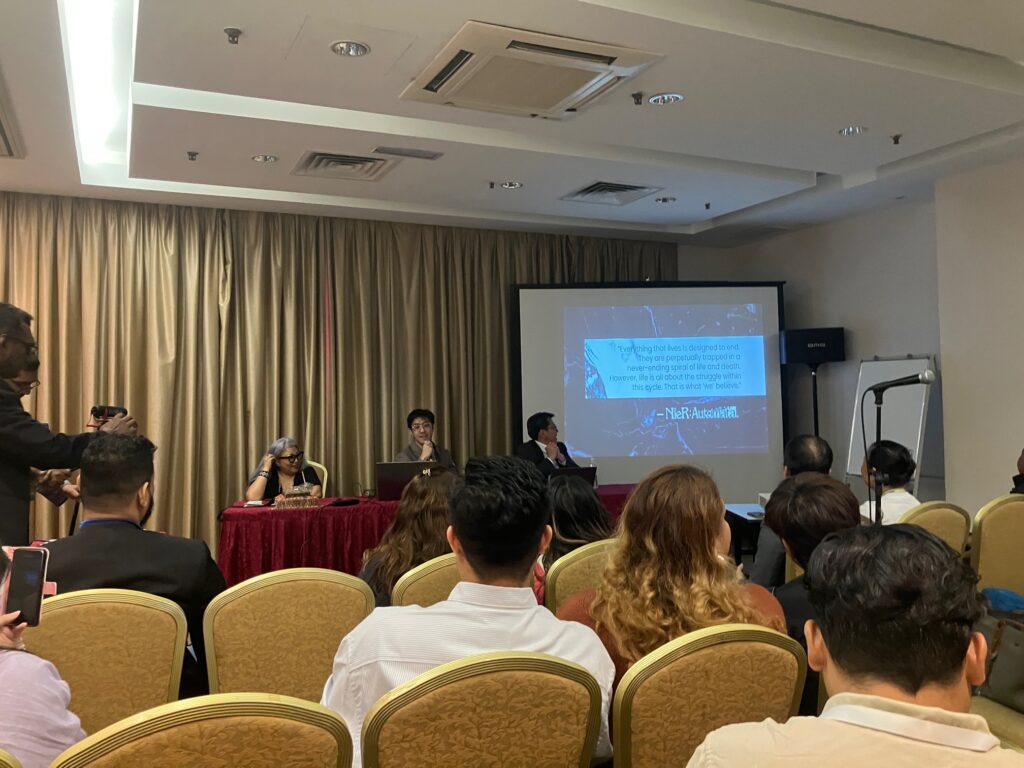
President of the Humanist Society (Singapore) Melvin delivered a lecture on how morals can be developed purely through reason and long term investment into human wellbeing as an objective metric. Likening morality to a chess match — wherein the goal is driven by self-interest, and even when putting aside ambiguous language such as ‘compassion’ and ‘kindness’ — Melvin explains how even the most selfish reasons and base instincts of survival can lead to cooperative behavior.

Presenting scientific articles and research on animals to illustrate how compassionate behavior can arise as an emergent property of social groups, Melvin extrapolates the underlying reasons to such findings to the real world, using various ASEAN countries and significant events in history as case studies to illustrate how Humanistic principles and methods primarily utilizing reason have lead to tangible progress in the aspects of economics and healthcare.

Finally, continuing to use chess as an analogy, Melvin finally illustrates how the landscape of morality is littered with sacrifices and gambits, and it is through disagreeing with the ‘correct’ moves to make that fuels discourse regarding morality. Much like how chess is a game that has not been solved, neither has the problem of morality. However, Melvin asserts that instead of succumbing to resignation in the face of no perfect answer, the only way to work toward better decisions is to continue learning, encourage constructive discourse, and to refuse complacency.

Through this speech and some audience participation activities, it elucidated the subtle and nuanced differences between the ways people thought, and also the differences between how Humanists Singapore and Humanists Malaysia tackled such discourse.

A full article and a speech on this topic may be written or delivered to the Society at a later date. That said, who could have ever imaged that quotes from games such as Nier Automata would have made it to a slide for an ASEAN conference on Freedom of Thought and Conscience?

Day Two — Religious freedom in
Singapore and repeal of section 377A of the Penal Code

To preserve Professor Eugene Tan’s ideas and to reduce information dilution, here are articles offering his views, written and spoken by his esteemed self. Here is his written OpEd regarding the Repeal of S377A, and here is a segment where he spoke on Channel News Asia. Do give him a read and listen.

Closing Remarks

This report was written with the intent of presenting all speakers’ points and speeches as objectively as possible, while uplifting and extolling the valuable depth and breadth of information and ideas they have contributed in the spirit of edification and elucidation. While some points might not be fully agreed upon, it is undeniable that this Conference has revealed the landscape of different beliefs even within similar belief systems, with varying ideas of belief, faith and perspectives on liberty and freedom of thought.

A critiqued—opinion editorial or discussion in a form yet to be confirmed will be arranged at a later date, examining a few key points raised by various speakers through a humanistic and skeptical lens, for the betterment of discourse within the HSS community.

Special Thanks

Honorary Auditor Sreekanth Vasudevakurup for attending Day One and doing an interview with Humanists Malaysia.

Member Eugene Tay for attending Day One and Two, assisting with the write-ups of Day One, and offering pertinent advice to the EXCO on Day Two.

EXCO Member Lava, for being tour guide, planning transport, meals and various fiscal miscellany. He also kept and provided a few transcripts of the speeches from Day Two, which were used to assist in this write-up.

Assistant Secretary Ong Yew Hwee for offering valuable insight and taking notes which informed certain nuances.

The President’s wife, Ms Glena Chan, for being a moral support and camera-lady.